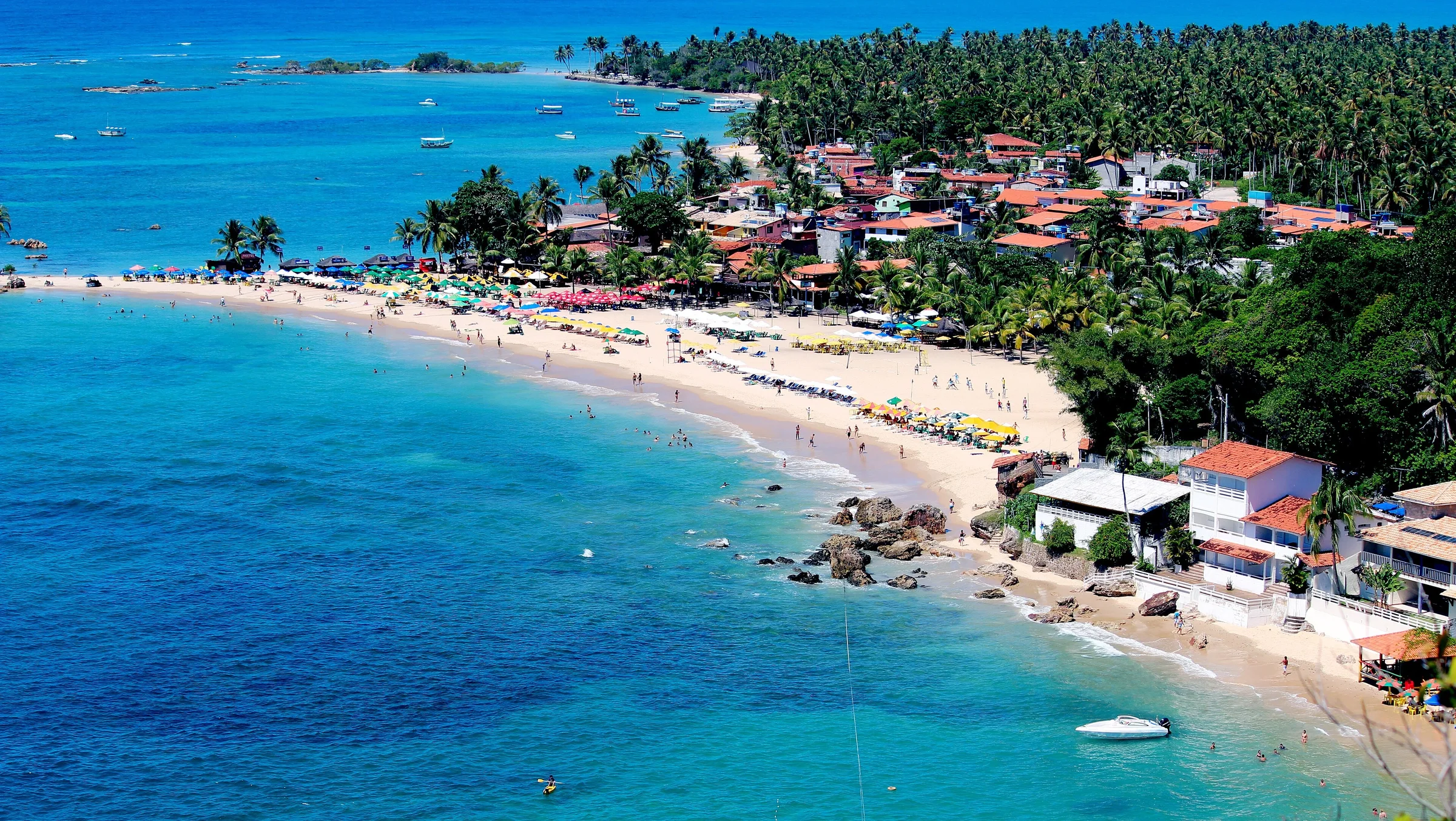
Morro de São Paulo
Clear-water beaches, five centuries of history and natural pools on Tinharé island, Bahia.
Welcome to Morro de São Paulo
Morro de São Paulo is the village at the north of Tinharé island, in the state of Bahia: a history as old as the colonisation of Brazil, a string of beaches sheltered by reefs, and a pace still set by the sea.
Explore the island
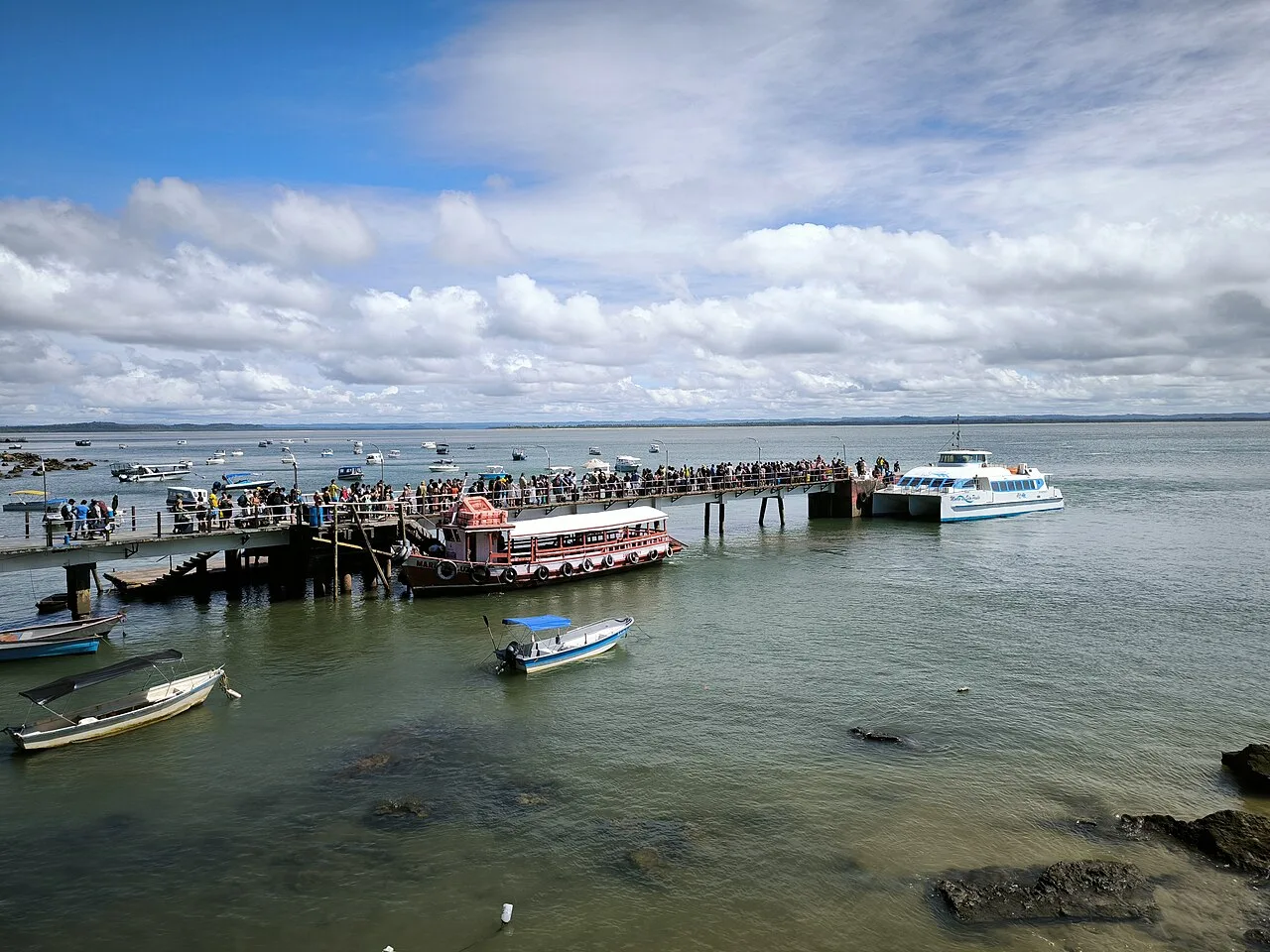 How to get thereCatamaran, semi-terrestrial route or launch: the ways to get here from Salvador and the region.
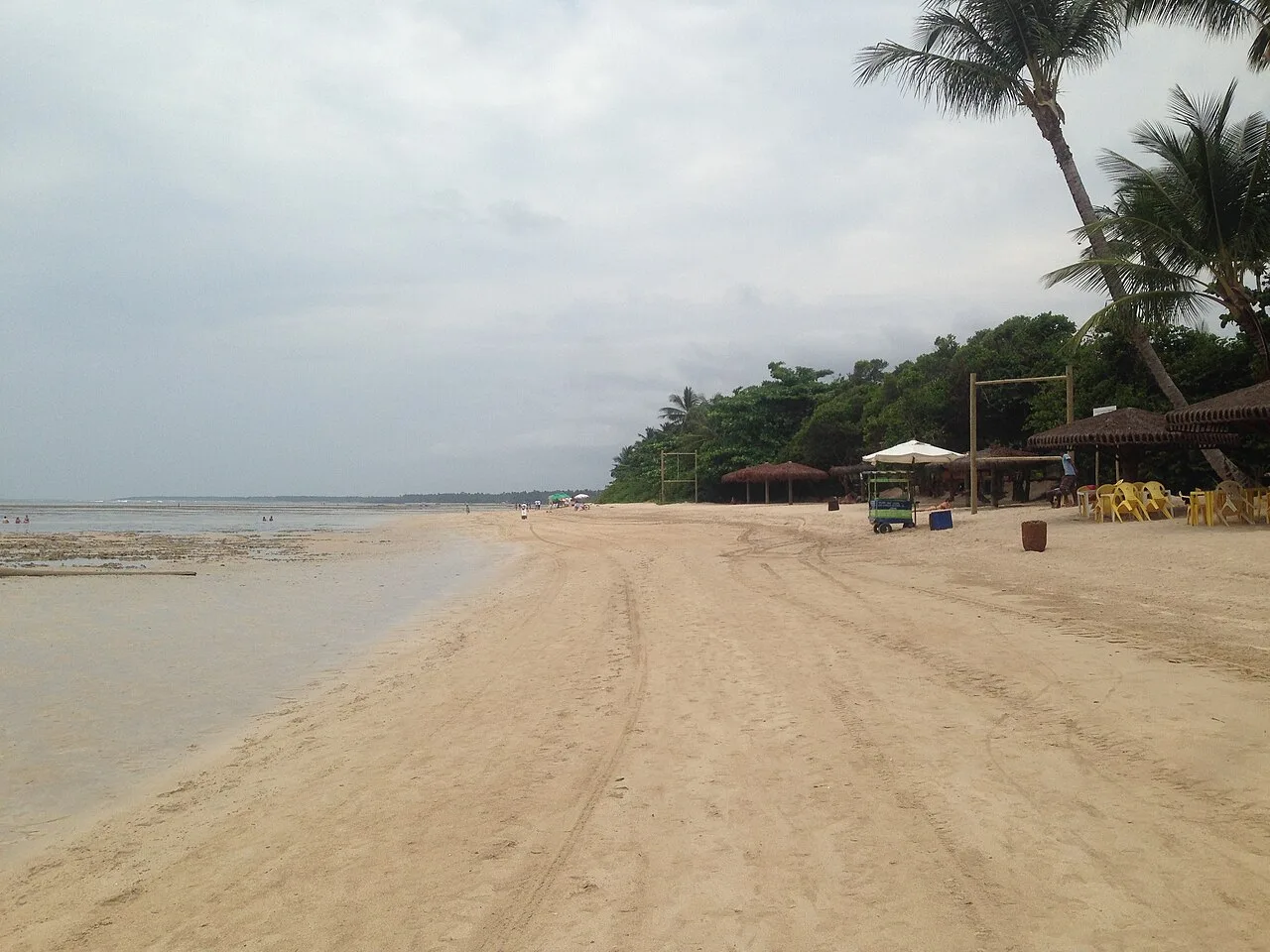
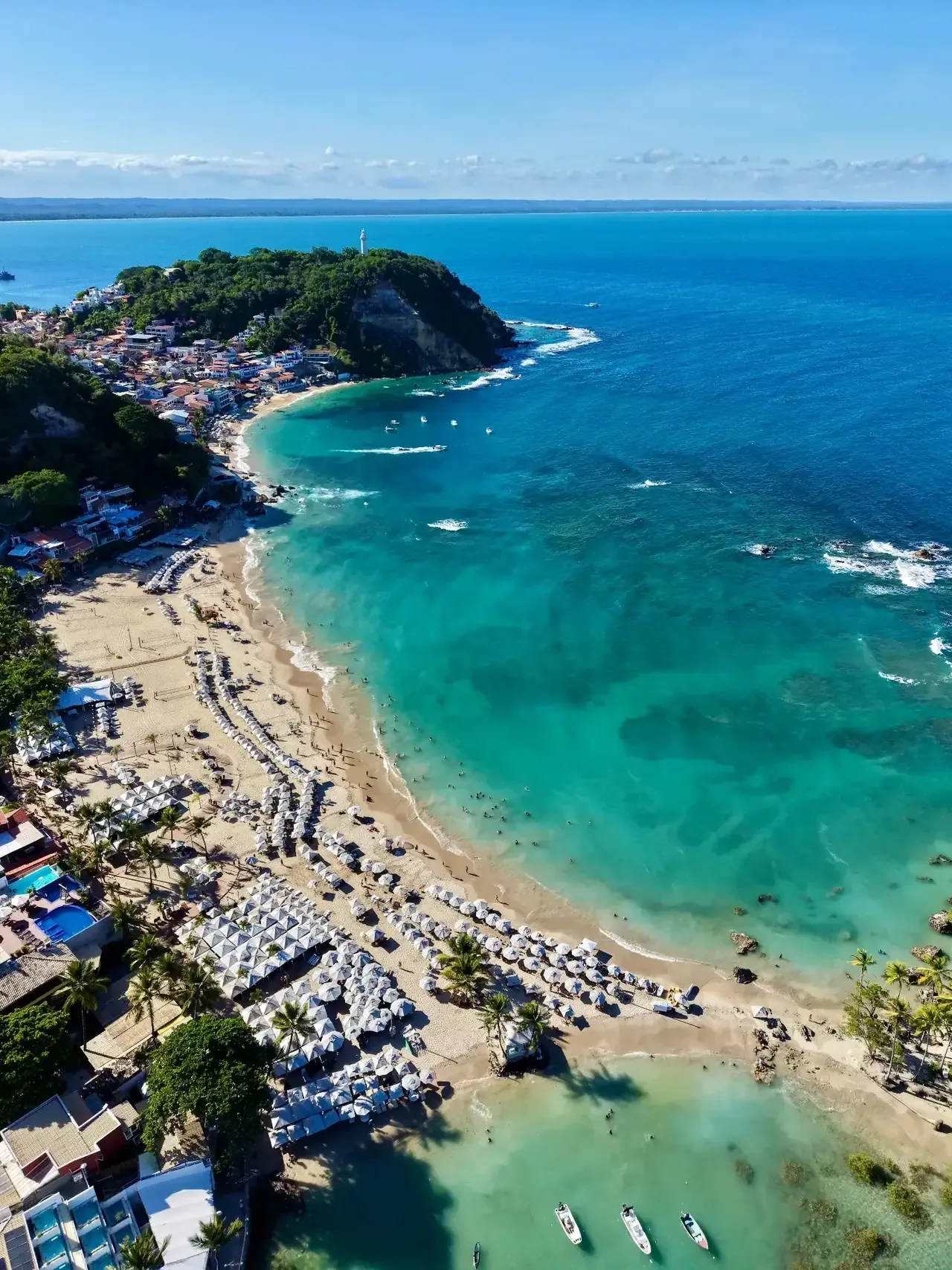 BeachesFrom Primeira to Praia do Encanto, each beach has its own character and its own rhythm with the tide.
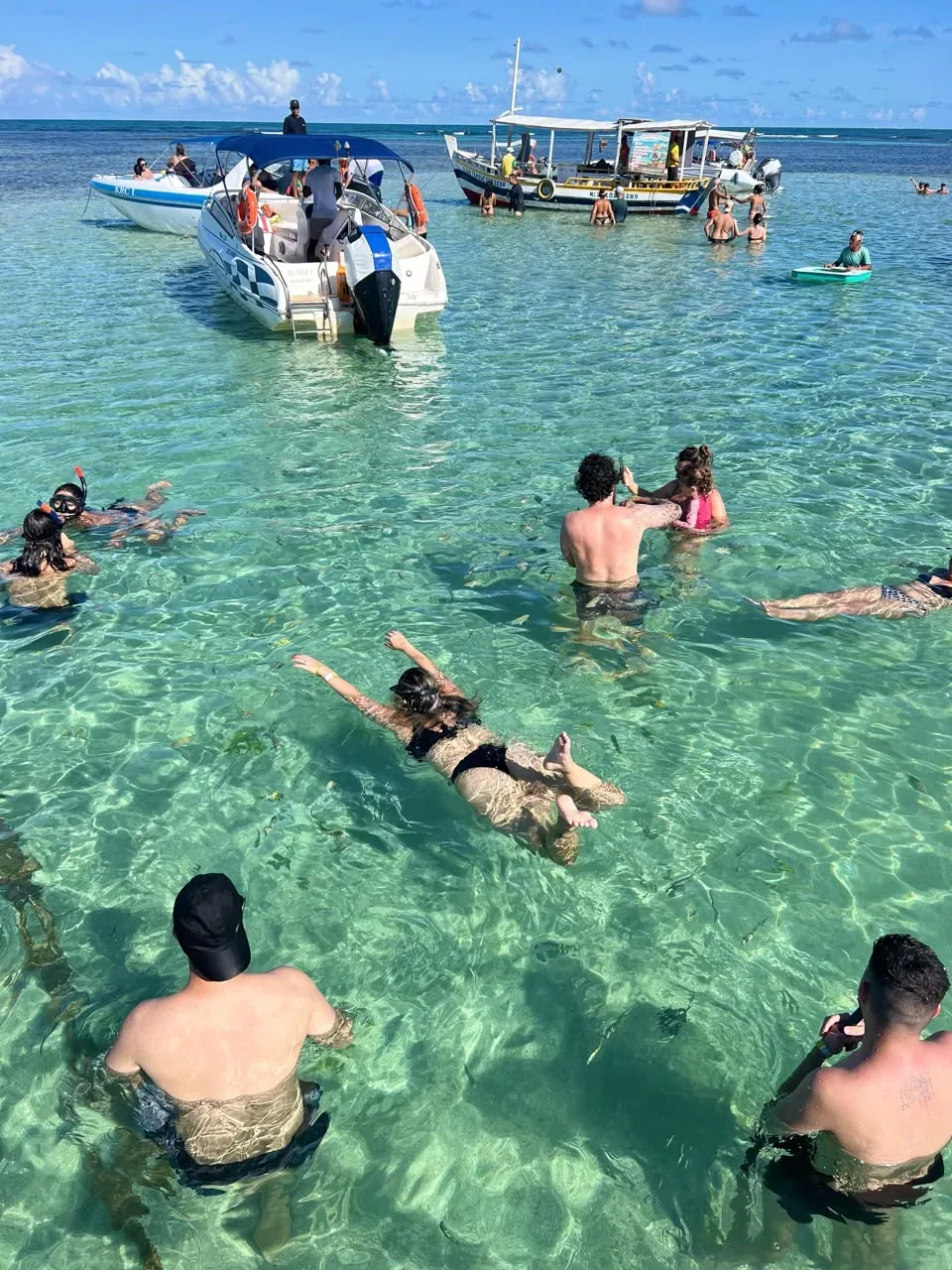 Things to doBoat trips, natural pools, the lighthouse and walks along the island coast.
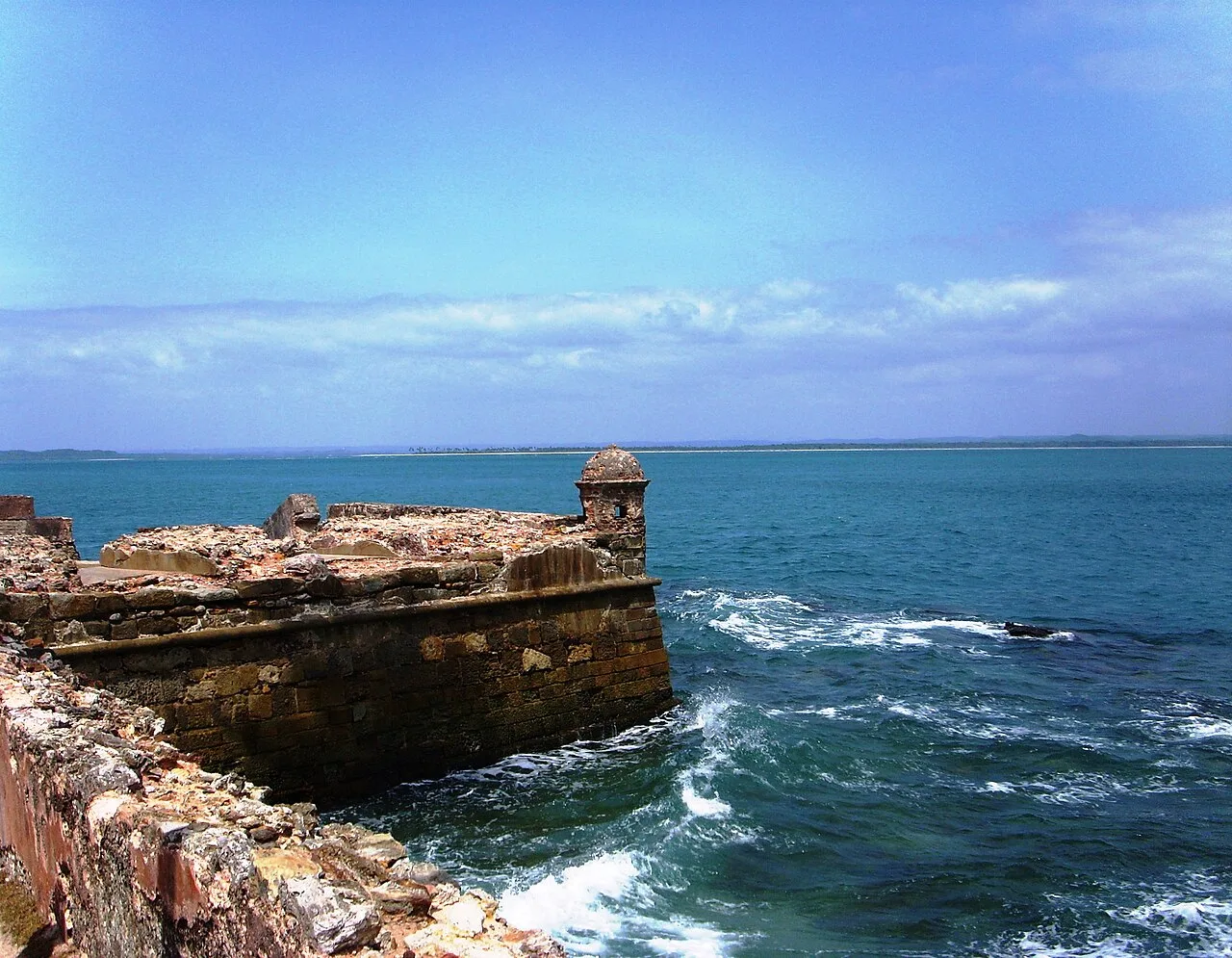 HistoryThe fortress, the Portaló, the Fonte Grande and the lighthouse: five centuries at the north of Tinharé.
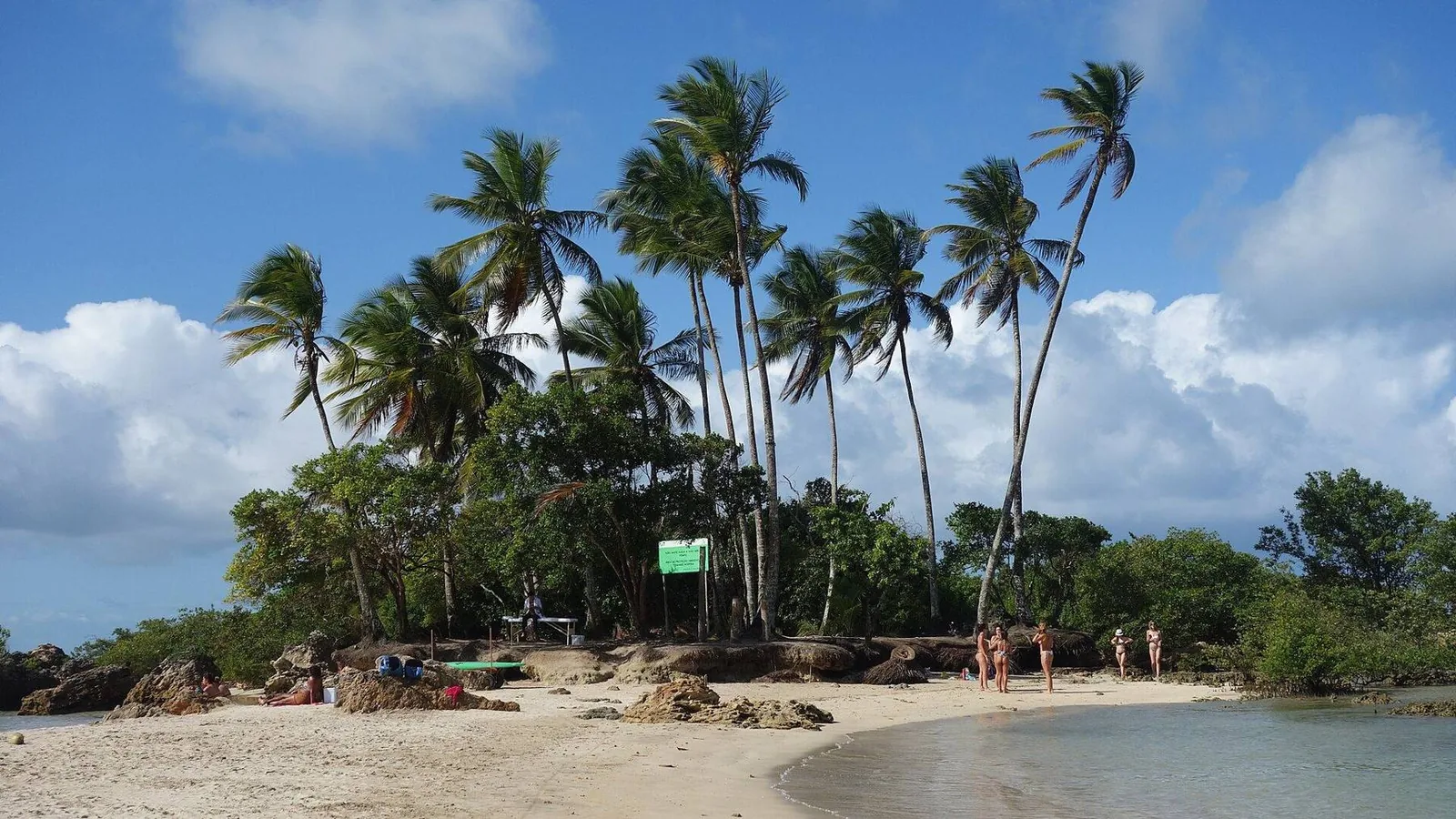 Where to eatWhat people eat in the village and on the beaches: Bahian cooking, fish and seafood.
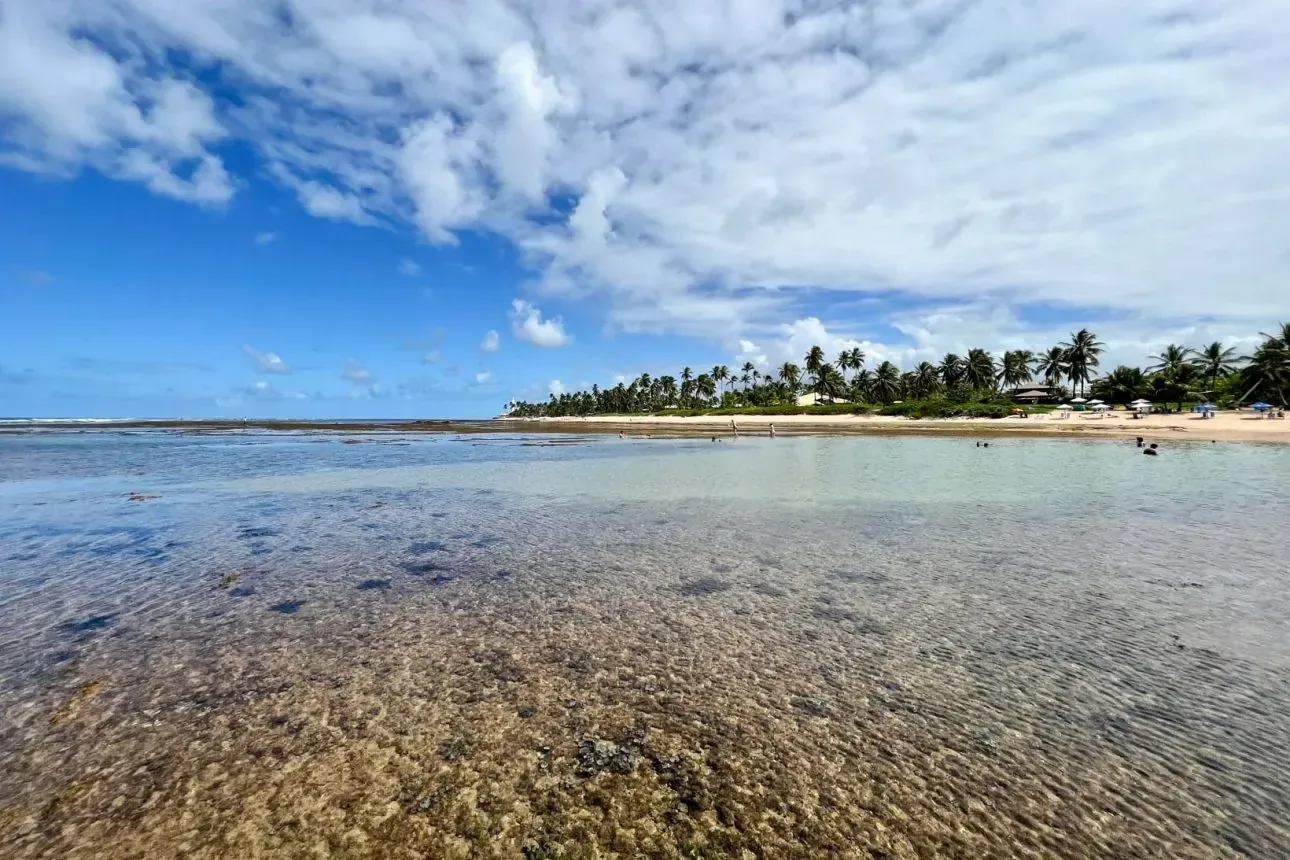 TidesTide table, moon phases and the best days for the natural pools.
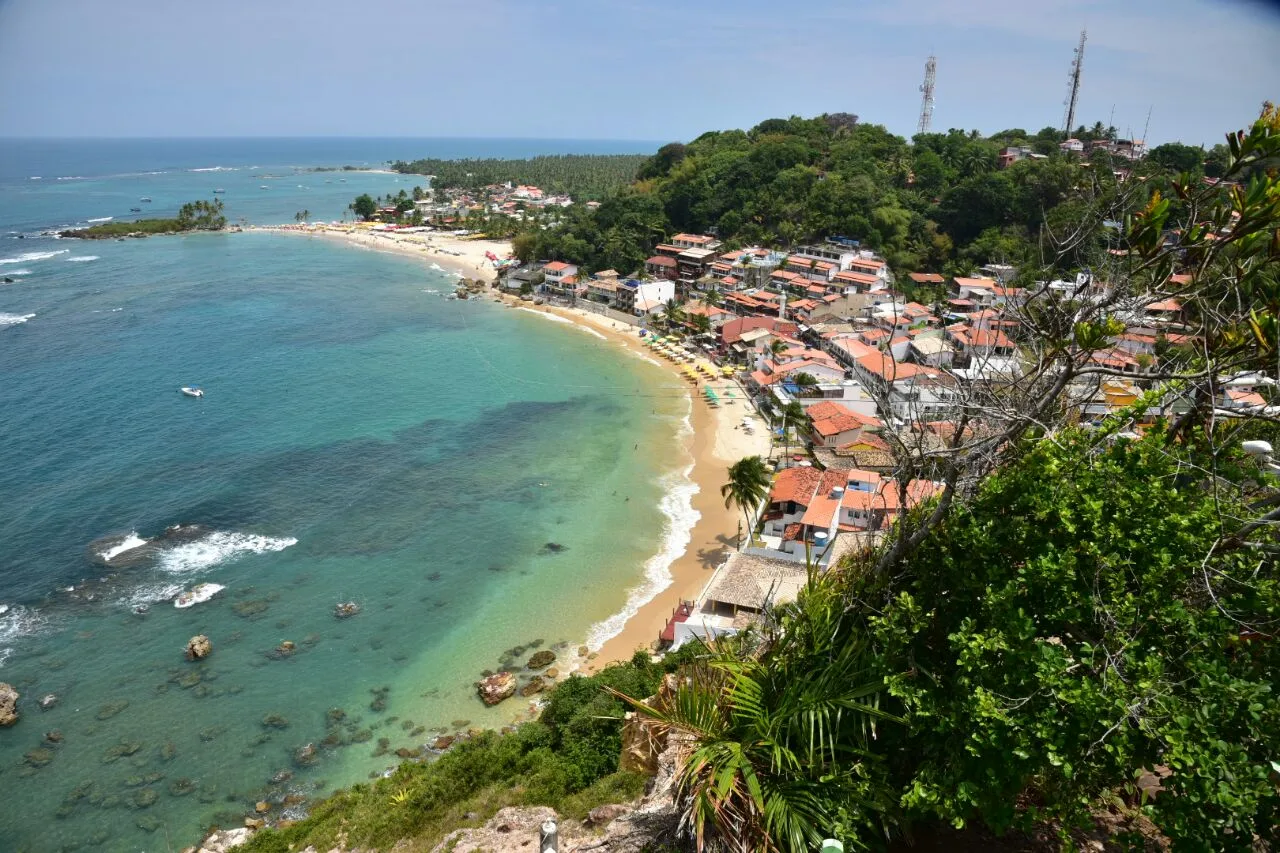 MapThe village, the beaches and the island paths on a map.
 Practical infoWhen to go, what to pack, money and safety: the practical side before you travel.
Book your transfer and tours with us
Transfers from Salvador from R$ 172.10 and island tours from R$ 95.00, at official prices in reais (euros indicative only at the exchange rate on the day of payment) with WhatsApp support.
The essentials
- How to get thereCatamaran from Salvador, a semi-terrestrial journey, or a mix of buses, ferries and launches via Valença.
- The beachesFrom Primeira to Encanto, each has its own pace, swell and relationship with the tide.
- The tidesTwo highs and two lows a day, a cycle that shifts daily, and pools that only appear at low tide.
Through the year
- 2 FebruaryIemanjá: tributes on Rua da Prainha and offerings to the sea.
- JuneFestas juninas: bonfires, square dancing and corn dishes in the square, especially at Midsummer.
- 8 SeptemberFeast of Our Lady of Light, the village patron, often preceded by the washing of the church steps.
- late DecemberProcession of São Benedito, usually around the 26th, through the streets and along the beach.
Frequently asked questions
From Salvador, the most common routes are the open-sea catamaran, typically around two and a half hours, and the semi-terrestrial journey, often around four hours, in stages by land and water. Each route has its page, with our fares.
Mostly at low tide, especially at the start of Quarta Praia and on other shallows sheltered by the reefs. The tide cycle shifts every day: it is worth checking a tide table before you set out.