A careful timeline
The dates below are those on which the local account and the Portuguese Wikipedia agree, or that the APA decree allows us to date. Uncertain points stay off this page.
- 1531 — Martim Afonso de Sousa lands on this coast.
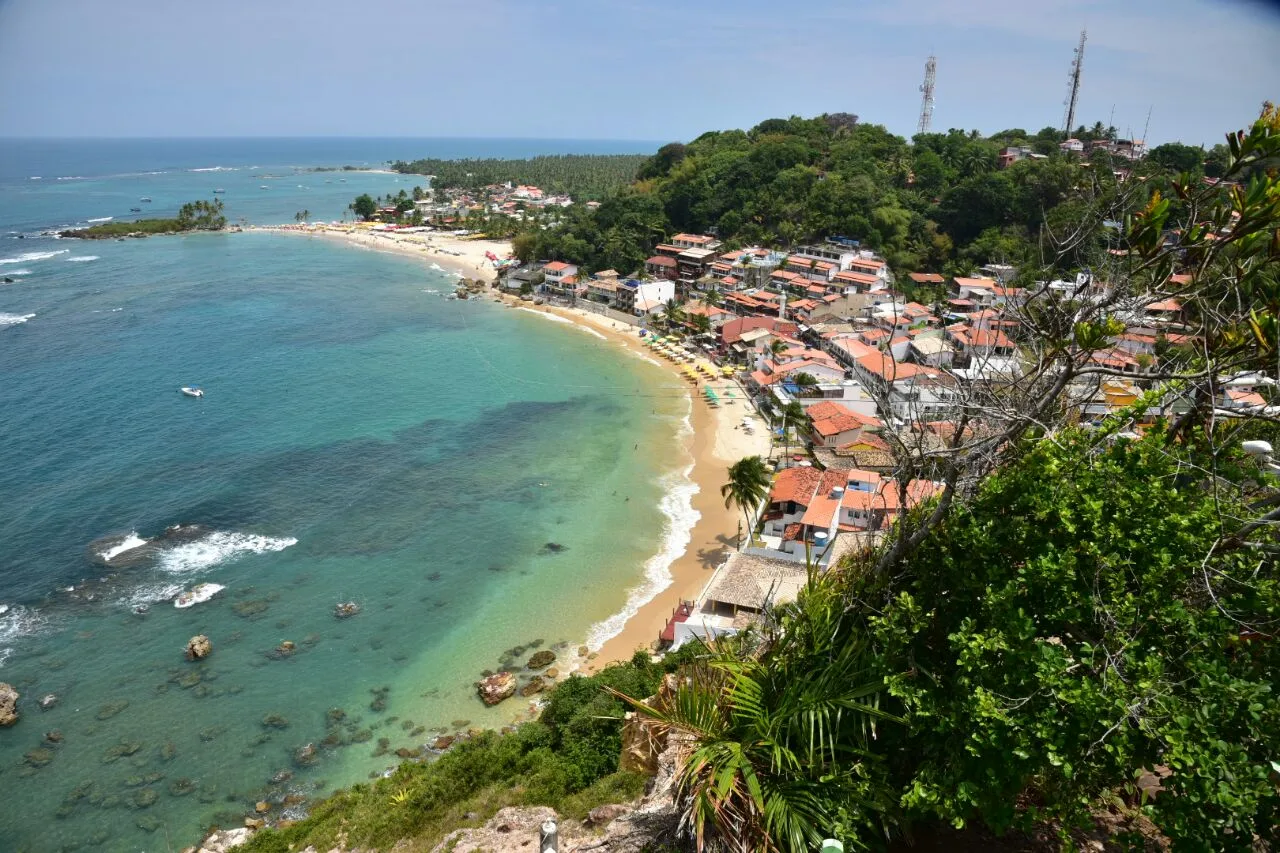
- 1535 — Francisco Romero founds the village.
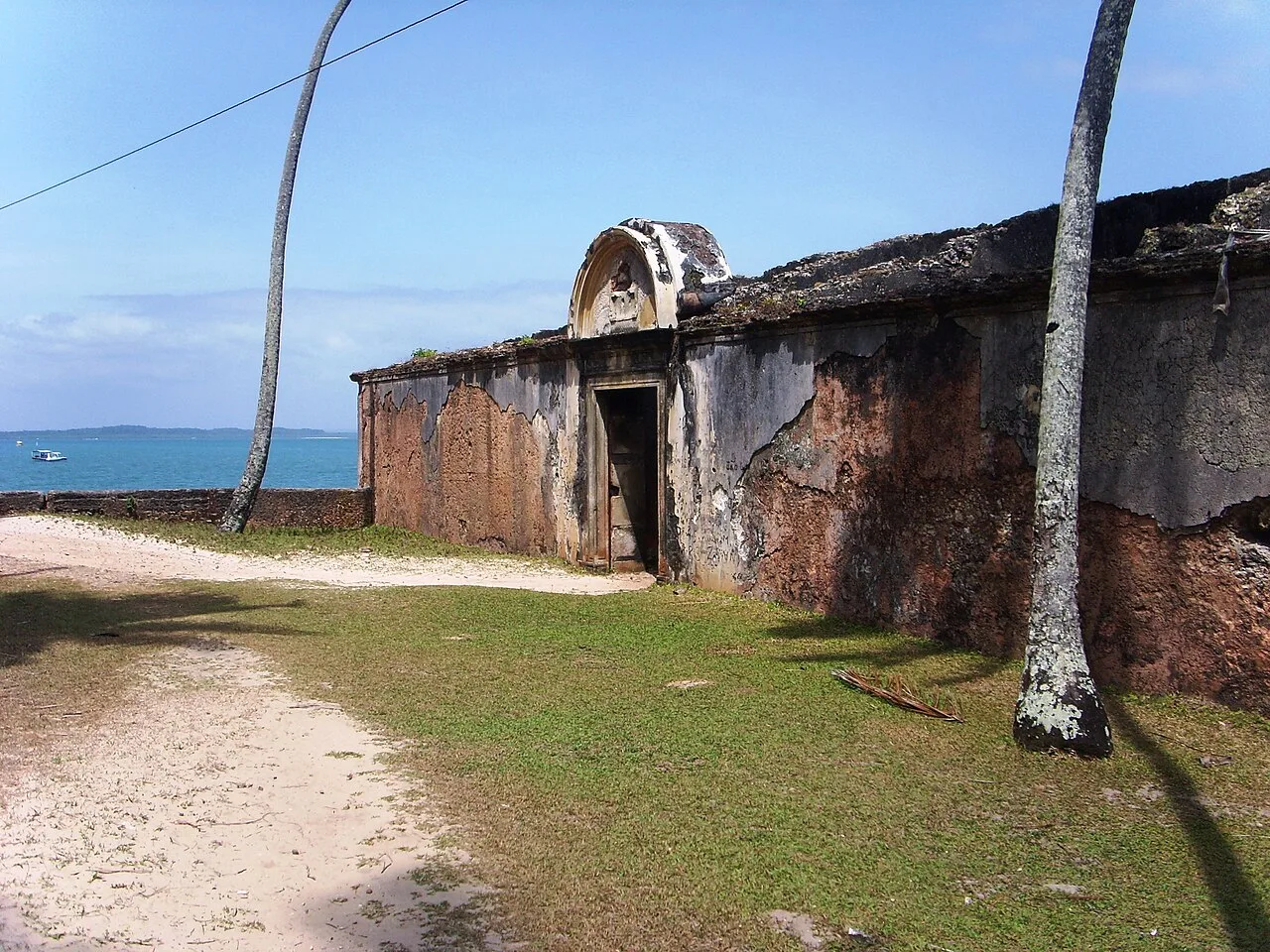
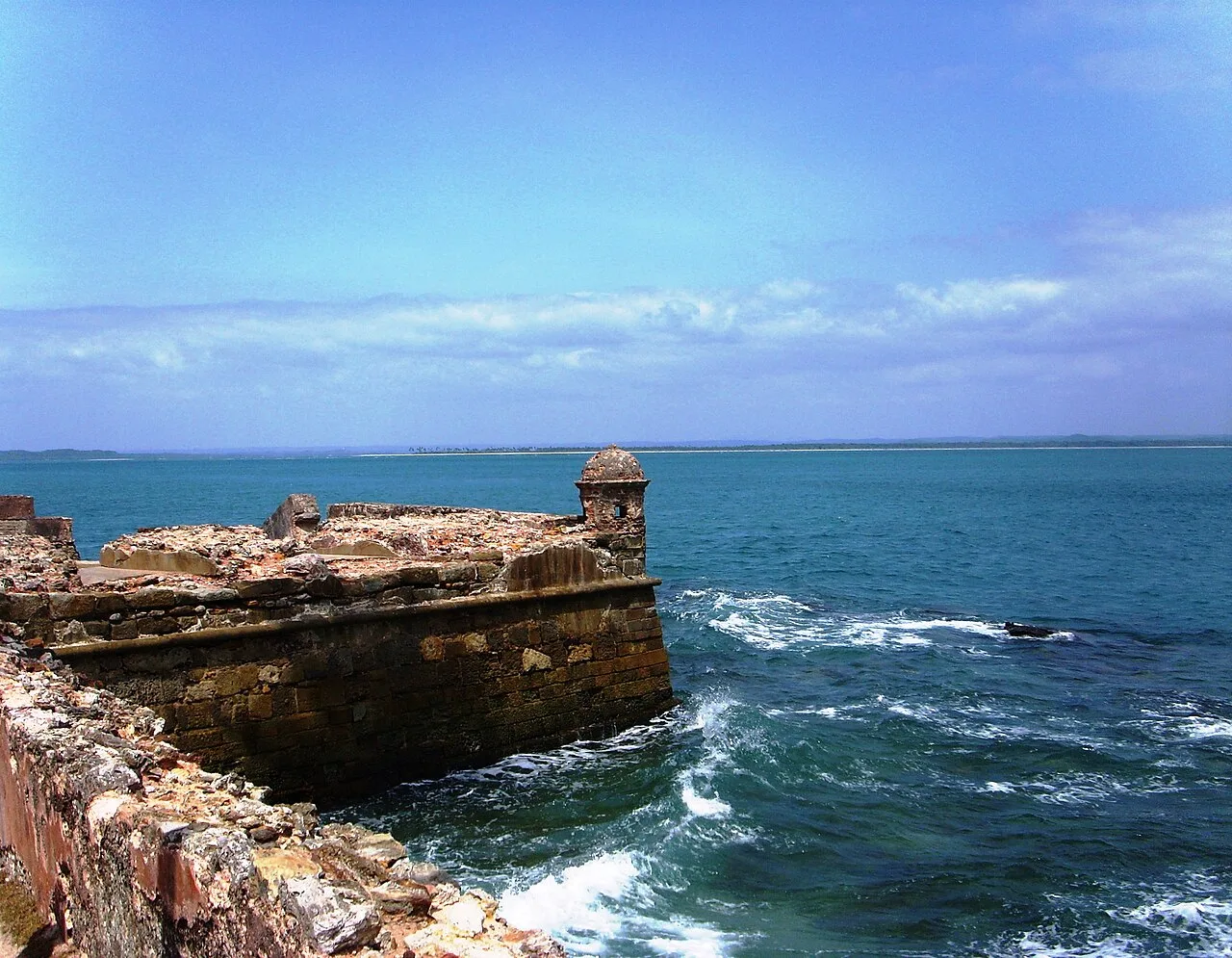
- 1630 — Construction of the fortress begins, according to standard chronologies.
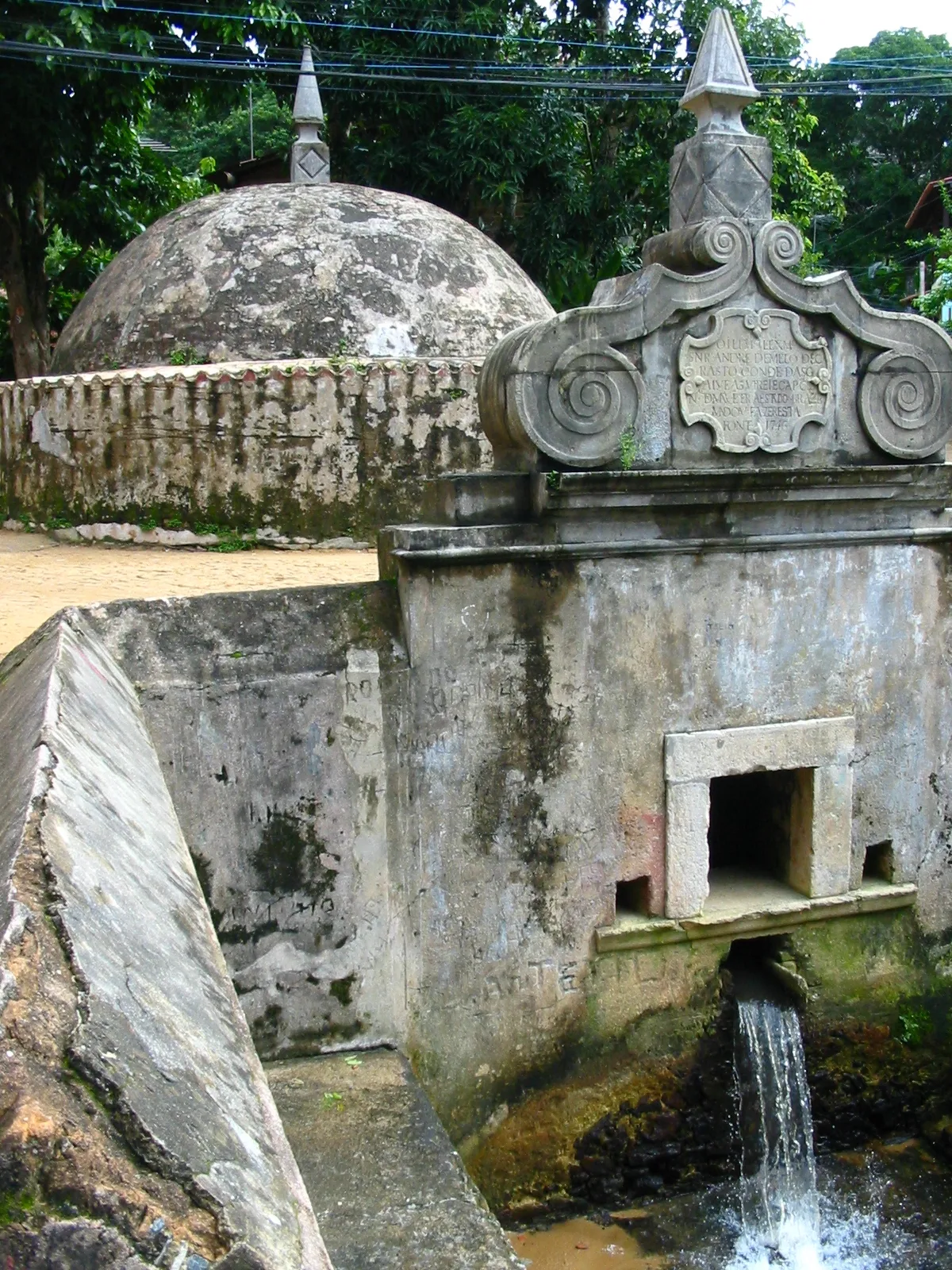
- 1746 — Work starts on Fonte Grande, a major water system of colonial Bahia.
- 1855 — The lighthouse is completed; work had begun around 1850.
- 1859 — Dom Pedro II visits the village.
- 1992 — The Tinharé-Boipeba APA is created (decree no. 1.240 of 5 June).
The village heritage
Fonte Grande, begun in 1746, is the village's great colonial water system; it should not be confused with Fonte do Céu, whose access and exact character are still to be set out clearly in this guide.
The twentieth century and the island today
In 1942, German submarines attacked Brazilian merchant ships off the Bahian coast, after which Brazil entered the Second World War. Local memory places those attacks near this coast and Valença. In the 1970s the village began to be known more widely. On 5 June 1992, Bahia decree no. 1.240 created the environmental protection area of the islands of Tinharé and Boipeba.
Frequently asked questions
In 1535, by Francisco Romero, at the north of Tinharé island. That is the year both the local account and standard chronologies record.
Yes: according to standard chronologies, construction began in 1630, by order of Diogo Luiz de Oliveira, and work continued for more than a century.
Updated on